



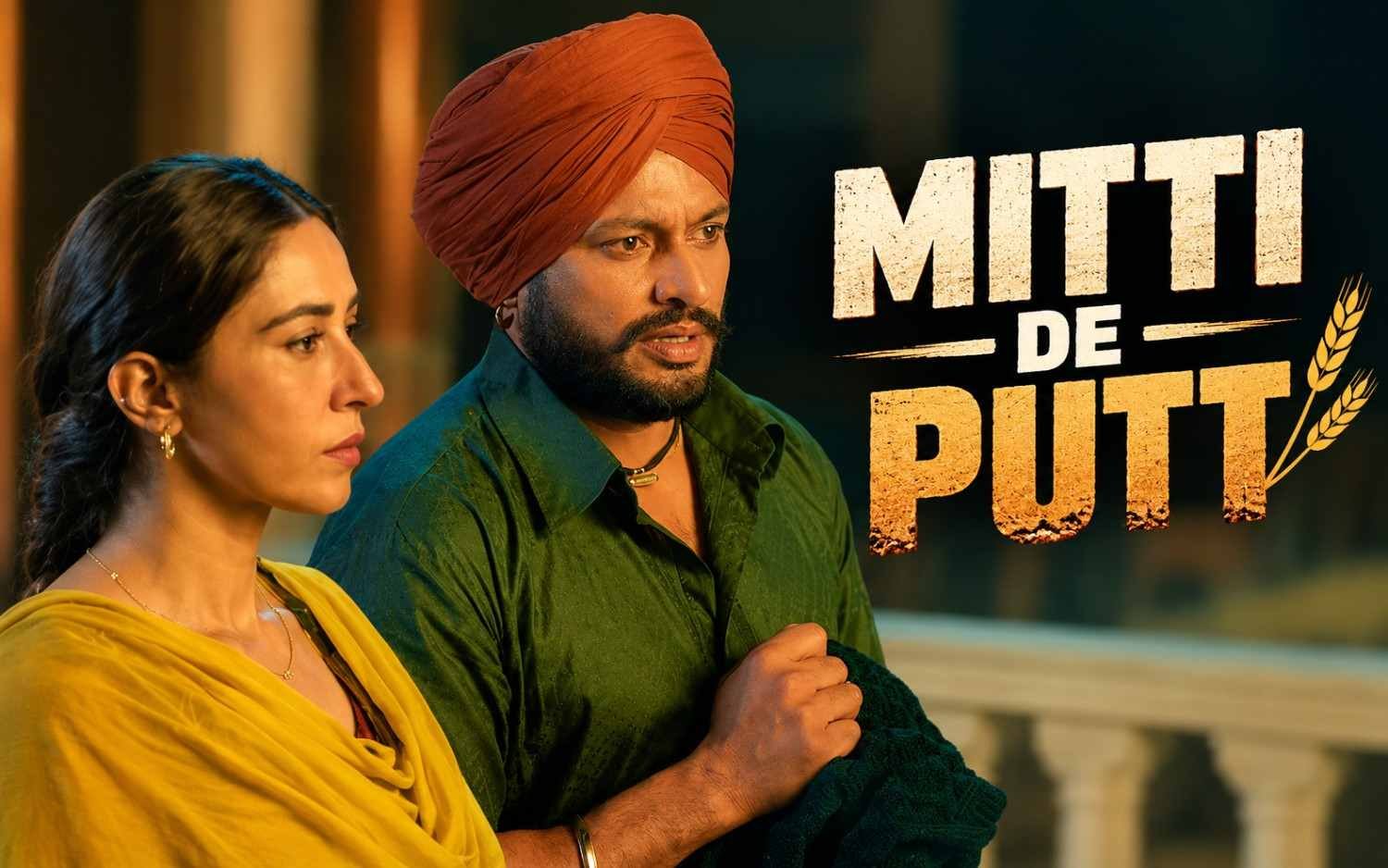
Mitti De Putt (Punjabi) | Dev Kharoud | Sharan Kaur | Vikramjeet Virk
1. Movie Details
| Field | Details |
| Movie Name | Mitti De Putt |
| Director | R Malkana |
| Lead & Supporting Cast | Dev Kharoud (Bikkar Singh), Vikramjeet Virk (Jang Singh), Sharan Kaur, Anita Meet, Yograj Singh, Mahabir Bhullar, Ashish Duggal, Pardeep Cheema, Dilawar Sidhu, Aman Sutdhar, Deepak Kamboj |
| Genre | Action / Rural Drama / Thriller |
| Release Date / OTT Platform | September 18, 2026 (Theatrical Release) |
| Rating | 3.5 / 5 Stars |
2. Main Content
Introduction & Overview
Regional Punjabi cinema has undergone a dramatic transformation over the past decade, moving beyond lighthearted slapstick comedies to embrace gritty, grounded narratives steeped in rural realism and high-stakes drama. Standing at the forefront of this shift is the highly anticipated Punjabi feature Mitti De Putt. Directed by R Malkana and headlined by action icon Dev Kharoud alongside a formidable ensemble cast including Vikramjeet Virk and Sharan Kaur, the film creates an atmospheric world of generational feuds, ancestral land disputes, and unyielding family pride.
The initial buzz surrounding Mitti De Putt stems from its raw, unfiltered portrayal of the Malwa region’s rugged heartland, where soil is not merely dirt but a living repository of blood, sweat, and family honor. From its explosive trailer and visual promos, the film promises a classic yet modernized revenge saga that harkens back to the legendary golden era of Punjabi action dramas. Combining intense emotional beats with bone-crunching action sequences, Mitti De Putt establishes itself as a major theatrical event for fans of visceral, character-driven storytelling.
Mitti De Putt (Punjabi) | Dev Kharoud | Sharan Kaur | Vikramjeet Virk
Detailed Plot Summary
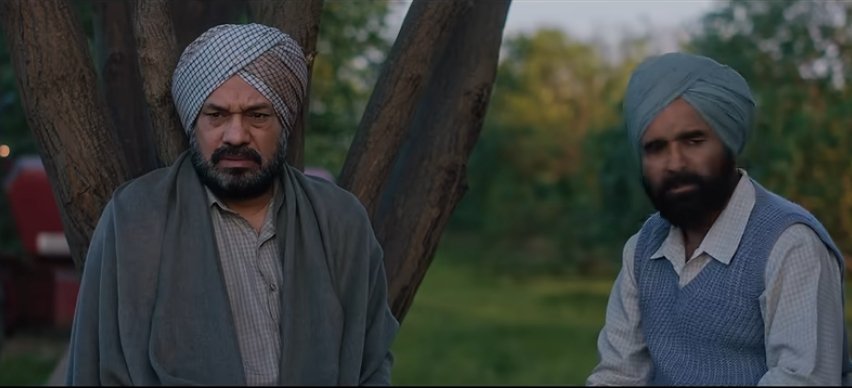
At its core, Mitti De Putt unfolds in the sun-baked sand dunes and sprawling fields of rural Punjab, where ancient rivalries refuse to die. The story centers on Bikkar Singh (played with quiet intensity by Dev Kharoud), a man deeply rooted in his ancestral heritage. Bikkar views his land not as mere real estate, but as a sacred trust holding the sacrifices and blood of his ancestors—his father, grandfather, and uncles. However, peace in the village is shattered by a long-standing, ancestral feud initiated generations ago by Chand Singh.
This feud is reignited in full force by the imposing adversary Jang Singh (Vikramjeet Virk) from Burj Mehma. Jang Singh represents an uncompromising force of aggression, operating under the ruthless belief that dominance must be established through firepower and fear. As tension escalates, Bikkar finds himself forced onto a path he tried to avoid. While Bikkar initially believes in dialogue and self-restraint, he is driven to a breaking point where survival and honor dictate that taking up arms is no longer a choice, but an inevitability.
The narrative intricately balances this violent struggle with the emotional turmoil experienced by those left behind. Bikkar’s mother (Anita Meet) spends endless, agonizing nights waiting at the doorway for her son’s safe return, symbolizing the heavy toll that systemic violence inflicts on Punjabi households. As both factions amass weaponry and brace for an all-out confrontation, Bikkar must navigate betrayal, intense family expectations, and his own moral boundary lines to bring an end to a conflict that threatens to consume everyone involved.
Cast Performances & Character Breakdown
The strength of Mitti De Putt lies predominantly in its powerful, performance-driven cast, led by veterans of the regional screen who bring profound authenticity to their roles:
- Dev Kharoud (as Bikkar Singh): Renowned for his physically demanding and brooding roles, Dev Kharoud delivers a powerhouse performance. He plays Bikkar with a layered balance of quiet vulnerability and explosive, controlled rage. His dialogue delivery carries immense weight, effortlessly capturing the soul of a man pushed to his absolute limits.
- Vikramjeet Virk (as Jang Singh): Serving as the central antagonist, Vikramjeet Virk brings a terrifying, larger-than-life presence to the screen. His imposing physicality, fierce screen aura, and sharp gaze make Jang Singh an intimidating villain who elevates the overall stakes of the conflict.
- Sharan Kaur: Playing the primary female lead, Sharan Kaur provides a crucial emotional anchor amidst the hyper-masculine warfare. Her character brings warmth, resilience, and emotional depth, serving as the voice of reason and hope within Bikkar’s world.
- Anita Meet: Portraying Bikkar’s long-suffering mother, Anita Meet delivers a heartbreaking and deeply authentic performance. Her scenes depicting maternal longing and anxiety resonate strongly, grounding the film’s action in real human grief.
- Yograj Singh & Mahabir Bhullar: These veteran stalwarts lend significant narrative gravitas to the project. Their screen presence adds a traditional, legendary quality to the generational dynamics, evoking memories of classic Punjabi cinema.
- Supporting Cast (Ashish Duggal, Pardeep Cheema, Dilawar Sidhu, Aman Sutdhar): The ensemble cast operates seamlessly to create a believable village ecosystem. Each actor brings distinct personality traits to their roles, ensuring that the conflict feels populated by real, distinct community members rather than generic extras.
Direction, Screenplay & Technical Aspects
Director R Malkana demonstrates a clear, unyielding vision for Mitti De Putt, successfully merging traditional rural drama with crisp, contemporary filmmaking techniques. The screenplay—crafted by Amar Hundal alongside Ryan Khan and Raj S. Jhinjar—paces the narrative effectively, allowing character motivations to build naturally before exploding into high-impact action set pieces.
Visually, the cinematography stands out by making full use of Punjab’s natural topography. The camera frames the expansive sand dunes, dusty village roads, and lush green fields with cinematic elegance, turning the environment itself into a central character. The color palette favors earthy, warm tones that reinforce the central theme of connection to the soil.
From an audio perspective, the sound design and background score elevate the visual tension immensely. The score uses traditional Punjabi folk instrumentation blended with modern orchestral arrangements to build dread during suspenseful moments and amplify energy during conflict sequences. The editing keeps the pacing tight, ensuring the runtime moves forward briskly without losing emotional context.
Strengths & Weaknesses / Pros & Cons
Strengths (Pros):
- Powerful Lead Performances: Dev Kharoud and Vikramjeet Virk share an electric screen dynamic that drives the entire narrative forward.
- Rich Emotional Grounding: Unlike standard action flicks, the film places significant focus on maternal love, ancestral pride, and the tragic consequences of rural violence.
- High Production Value: Top-tier cinematography, authentic setting details, and impactful sound design make for a visually commanding theatrical experience.
- Nostalgic Folk Drama Tone: Successfully captures the legendary feel of classic Punjabi conflict cinema while modernizing it for contemporary audiences.
Weaknesses (Cons):
- Predictable Tropes: The central plot of ancestral revenge and land disputes follows familiar thematic territory previously explored in rural action dramas.
- Intense Violence: The heavy reliance on firearms, action-heavy confrontation, and bleak tone might not appeal to family audiences seeking light entertainment.
Final Verdict & Target Audience
Mitti De Putt is a robust, gripping, and emotionally charged Punjabi action drama that honors the spirit of the soil while delivering a high-octane cinematic experience. Director R Malkana, along with stellar leads Dev Kharoud, Vikramjeet Virk, and Sharan Kaur, crafts a story that hits the right notes of action, emotion, and cultural pride.
Target Audience: This film is tailored specifically for fans of gritty action thrillers, hardcore Punjabi drama enthusiasts, and admirers of Dev Kharoud’s action-heavy filmography.
Recommendation:Mitti De Putt is definitely worth watching in theaters on the big screen to fully appreciate its immersive sound design, sprawling visuals, and intense atmospheric buildup.